How we measure impact.
You can photograph a solar canopy on the day it is handed over. How much power it delivers, you read from the meter. To see change in the habitat underneath, you have to come back.
For each project we keep track of what evidence exists for each result.
What we track.
Three kinds of result, each with its own owner, baseline and evidence.
Electricity
MWh generated and used on site
- Responsible
- The operator records production and consumption on the relevant meters.
- Baseline
- Record the power demand and the scope of the meters before you compare periods.
- Evidence
- Publish the measurement period, unit and data source. State estimates and missing data separately.
Carbon removal
Tonnes of net permanently stored CO₂
- Responsible
- The developer documents the chain from feedstock to storage. An independent party assesses a claim according to the applicable method.
- Baseline
- Record the reference situation, the chain emissions and the storage duration.
- Evidence
- Record the reporting period, the storage evidence, the calculation method and the verification status.
Landscape and biodiversity
Quality of habitats and species found
- Responsible
- Local companies and land managers carry out the work. The project team and the ecologists agree who surveys each site.
- Baseline
- Describe the starting situation, measurement points, the season and the method before you compare results.
- Evidence
- Repeat fieldwork at comparable places and times. Link construction and maintenance to dated field measurements.
Measuring biodiversity in the field.
With NatureMetrics, our strategic partner, we study biodiversity through environmental DNA (eDNA). A water or soil sample can contain traces of organisms that are hard to see on a field visit.
For each project we agree which habitats and species groups we study, where and when we take samples and how we read follow-up measurements. Once a survey and its results are recorded, they go into the register.
Follow the money to delivery.
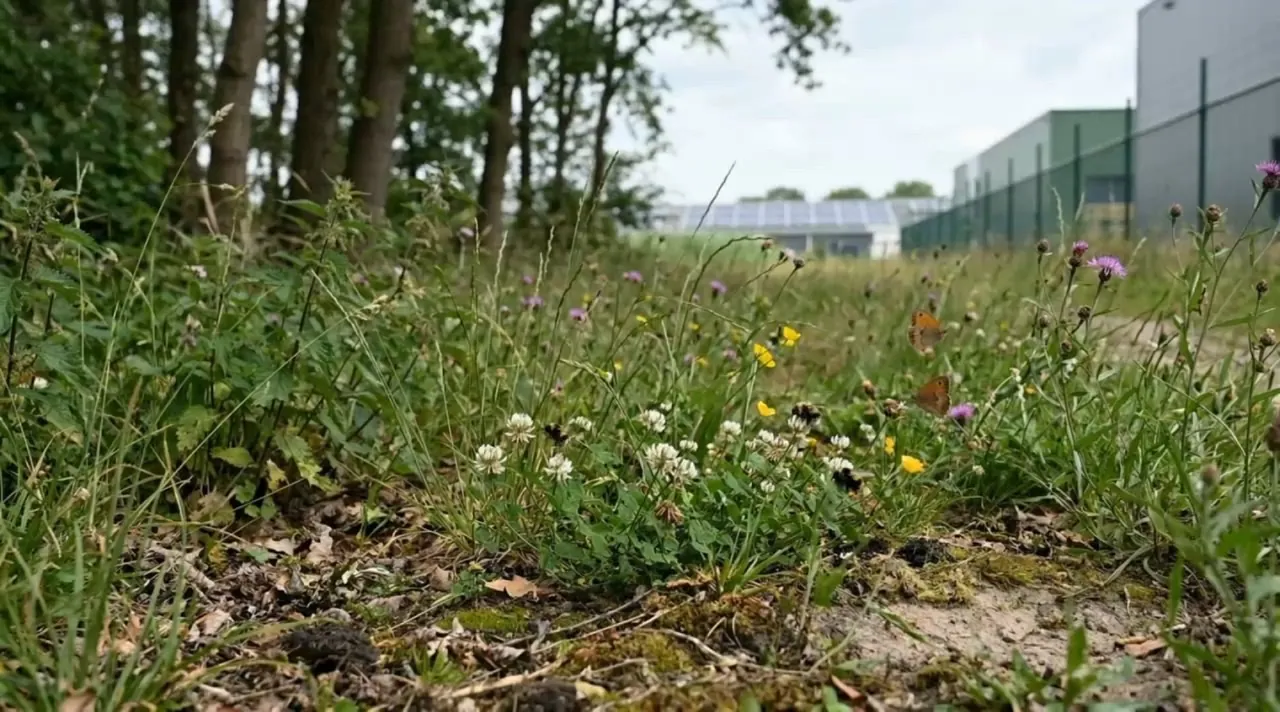
Through YOUR.earth, RTE reinvests part of the project profit in companies that protect and restore landscapes. For a farm or plant nursery, the file starts with the contribution, the recipient and the plots where the work takes place.
A construction report shows how many metres of hedge have been planted. Later field visits show how many trees survive and whether the hedge connects habitats. Hours paid and repayments you follow through the company’s accounts.
Impact register.
What has been carried out, what projects want to measure and what information is public. Each entry refers to the original source. Sources viewed on 14 November 2026.
Camping Bakkum
- Documented evidence
- Project photos show the solar canopies above the car park. Plenty Planet describes charging infrastructure and a landscape design with native planting.
- To be tracked
- Measured solar power (MWh), the quality of habitats and changes in the species found.
- Baseline and follow-up
- The public project information does not yet include a series of meter readings, an ecological baseline or follow-up survey.
- Next step
- Request dated production data and any baseline and follow-up measurements before we report energy or nature results.
Almelo
- Documented evidence
- In its published plan, Jalo links a future contribution to agroforestry in Overijssel to income from verified carbon removal. The agreement is still being worked out and the contribution depends on that income.
- To be tracked
- Verified net carbon removal, contributions transferred to the area programme and changes in habitats on participating farms.
- Baseline and follow-up
- Jalo describes a baseline measurement and recurring measurements as part of the plan. A dated baseline on a farm or a measurement result has yet to be published.
- Next step
- Finalise the programme agreements and determine the baseline with participating farmers. Record payments and field results as soon as they are available.